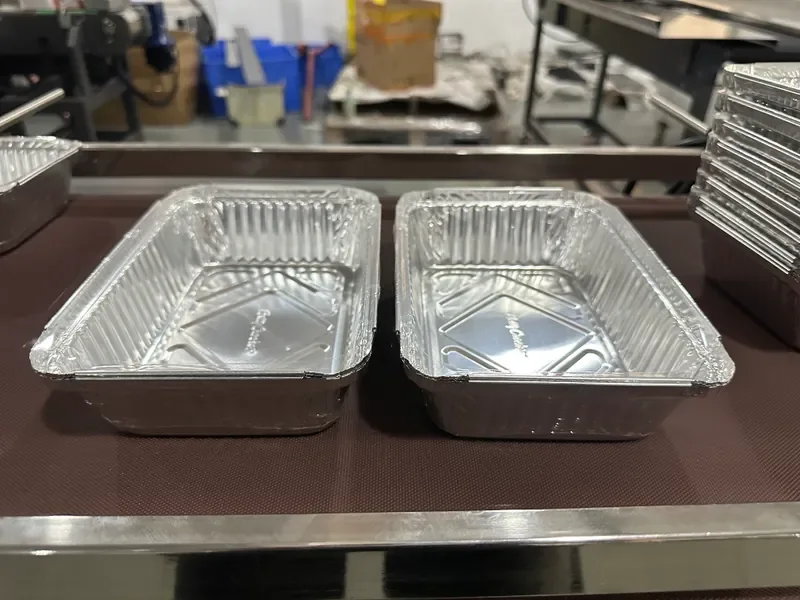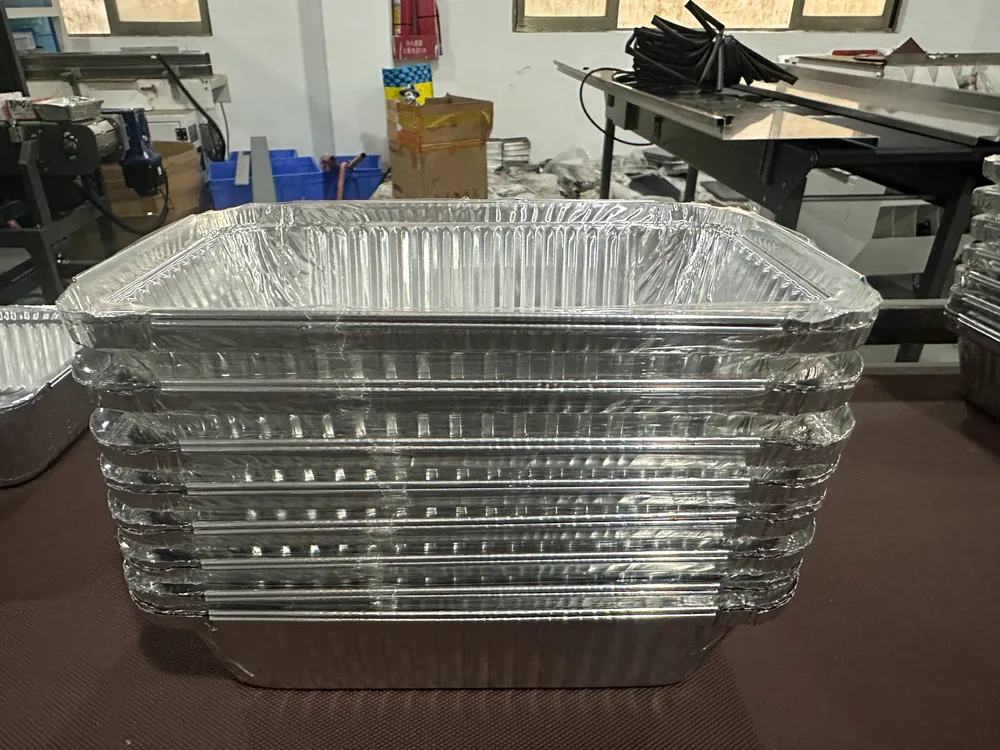


Food box & tray outer wrapping solutions
Wrap pre-packed food boxes or trays individually or in groups. Compare sealed outer-film, pillow-pack and suitable shrink-finish routes around the pack you need.
Planning your packaging project
Products and packs. Pre-packed food boxes and trays that need an outer wrap. Product temperature, surface moisture and tray rigidity affect handling and the film choice.
Equipment to consider. Compare sealed outer film, pillow packaging and shrink finishing according to the required pack. Check contact requirements separately if any film will touch food. If your samples call for pillow packaging, review the horizontal flow wrapper.
What to send for a quote. Package dimensions, sealing style, product temperature, film contact conditions and required packs per minute.
Packaging process
For pre-packed food boxes and trays · Individual packs and multipacks
All routes shown.
Wrap one pre-packed box or tray
Start with food already in its intended primary box or tray. Feed the unit to outer wrapping with its lid, closure and product position suitable for the next handling step. This flow does not replace the primary food-packing process.
Equipment typeManual loading or existing packed-product feed
Combine pre-packed food units
Bring pre-packed units together when the desired outer pack contains more than one box or tray. Define the unit count, arrangement and any stacking around pack stability and the condition of the lids and trays.
Equipment typeFeed of pre-packed units for a multipack
Arrange and support the group
Arrange the pre-packed units into the selected multipack before sealing. Grouping can be manual, use existing handling or be configured as an automated stage. Support the trays and keep the chosen arrangement stable during transfer.
Equipment typeManual, existing or configured grouping arrangement
Wrap and seal the outer film
Wrap film around the individual food box, tray or selected group, then seal the outer film. Review tray edges, lid position and product height for a consistent film finish. This outer wrapping step does not establish a vacuum or modified-atmosphere food pack.
Equipment typeOuter-film sealing equipment selected for the pack
Flow wrapping for a non-shrink pillow pack
For a non-shrink outer pack, a flow wrapper forms and seals a pillow-style film pack around the box, tray or selected group. This route goes directly to pack checking without a shrink tunnel. Choose the film, product support and feeding arrangement around the required pack appearance and output.
Equipment typeFlow wrapper / pillow packaging machine
Add a shrink finish when required
Use a shrink tunnel when a shrink-finished outer pack is required and suitable for the product and primary packaging. Assess the food, tray or box, closure and existing labels together with the film and heat exposure. Lower-temperature shrink films can be evaluated through sample trials; they do not make every heat-sensitive product suitable.
Equipment typeShrink tunnel matched to the selected pack and film
Check and transfer the wrapped pack
Check the outer-film finish, primary pack condition and stability before transfer. Allow shrink-finished packs to cool where needed. For an unshrunk finish, select the film and sealing process around the required pack appearance.
Equipment typePack check, cooling where needed and outfeed
Keep the downstream steps you need
Add pack identification, case packing, case sealing or pallet handling as your distribution process requires. Retain manual or existing stages where suitable. Keep necessary food labels visible or readable in the final outer-pack arrangement.
Equipment typeSelected manual, existing or automated downstream stages
Plan your packaging line
This process adds an outer film wrap to an existing food pack. Keep the primary food packaging in place, then define the group, film finish and handling steps you need.
- Food and primary pack: product condition, box or tray dimensions, lid or closure, and any labels already applied.
- Finished outer pack: one unit or a group, pack arrangement, film coverage and the appearance you need.
- Heat-sensitive products: assess a lower-temperature shrink film together with heat exposure, the food, tray, lid and labels through sample trials.
- Operation: target output, product presentation, grouping if needed, and the existing handling stages you want to keep.
Packaging examples