

Paper & printed-product packaging solutions
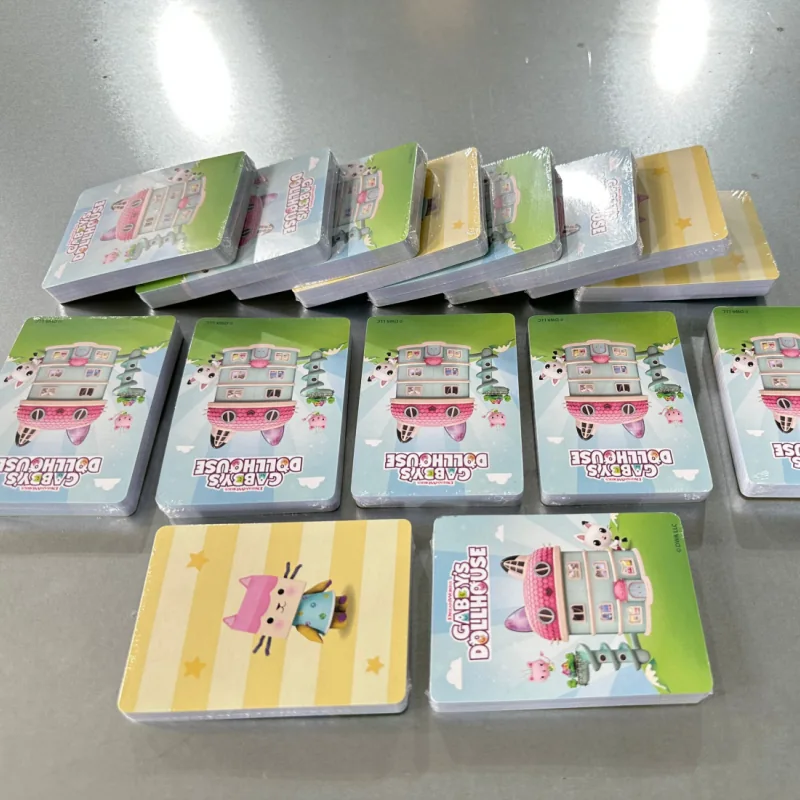
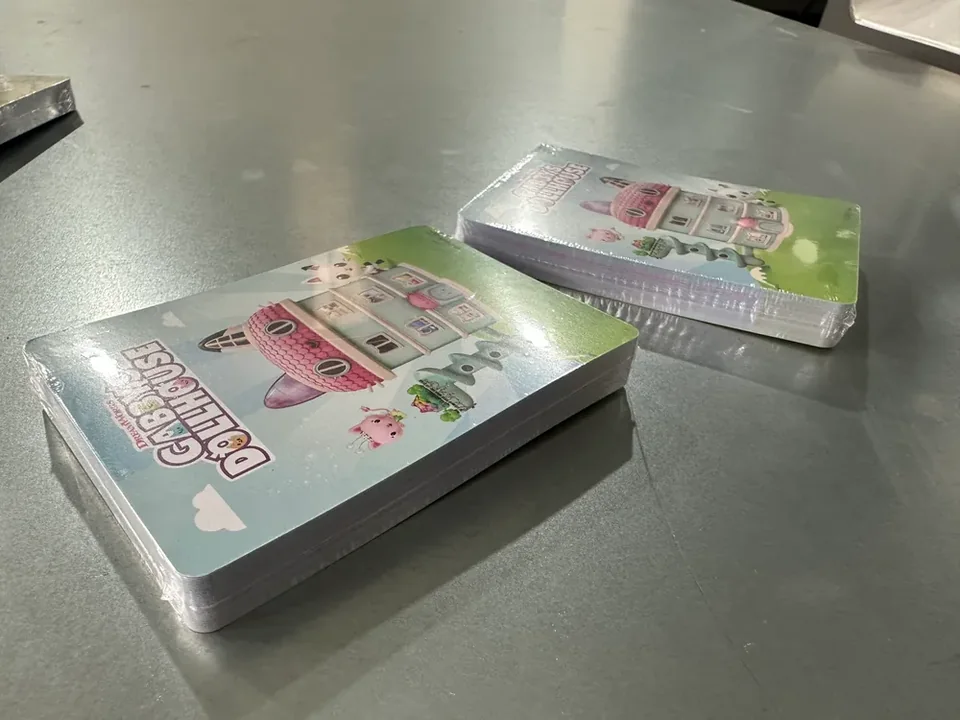
Heat-shrink wrapping for books, printed stacks and paper multipacks, plus pillow flow wrapping for cards without heat shrinking.
Planning your packaging project
Products and packs. Books, boxed stationery and printed stacks that need grouped or individual wrapping. Verify stack stability, scuff sensitivity and how the product will be fed.
Equipment to consider. Use sealing and shrink equipment when a tight film finish is required. For cards that need a sealed pillow-format pack without heat shrinking, review a horizontal flow wrapper.
What to send for a quote. Dimensions, stack height, number per pack, surface sensitivity, film and desired output.
Packaging process
For books, cards, printed stacks and paper or tissue multipacks
All routes shown.
Present the book or printed stack
Feed an individual printed item or a counted stack. Define the format, thickness or stack height and the surfaces that need care. Counting or stacking may remain manual or in an existing upstream process.
Equipment typeIndividual-item or stack feed
Square and support the printed pack
Keep the item or stack aligned through transfer to sealing. Review edge guides, thin-product support and the stability of loose cards or sheets. Contact with covers, coatings and printed surfaces is part of the sample review. For a high-speed sealing configuration, coordinate this stage with the infeed alignment and spacing system.
Equipment typeGuides and stack support
Present the paper multipack
Define which paper units form one pack and their arrangement. Flexible packs or rolls may need different support from a flat printed stack. Product shape and the required pack presentation guide the grouping method.
Equipment typeFeed of paper or tissue units
Group without assuming compression
Arrange the selected units while preserving the shape required in the finished pack. Discuss any permitted compression explicitly; grouping does not automatically mean squeezing the product. Manual, existing or configured grouping can be considered. For a high-speed sealing configuration, coordinate this stage with the infeed alignment and spacing system.
Equipment typeGrouping and product support
Wrap and seal the selected pack
Select the film-sealing arrangement around the item or group size, support needs and desired seam. Printed stacks and flexible paper multipacks may require different equipment configurations.
Equipment typeScissor-type sealer, vertical L-Bar sealer or high-speed sealer
Heat shrink the sealed pack
Books, printed stacks and paper multipacks normally use heat shrinking after film sealing. Assess the film, print surface, pack shape and any existing wrapping together in sample trials. The card flow-wrap route bypasses this heat-shrinking stage.
Equipment typeShrink tunnel where specified
Check the stack or multipack
Review printed-item alignment and edge condition, or the intended shape of the paper multipack. Check the count or arrangement, film finish and readability of any product identification before transfer.
Equipment typeManual or existing pack check and outfeed
Transfer to the next packing stage
Retain existing downstream handling or select case packing, case sealing, labeling or pallet handling around the delivery format. The core wrapping section can be discussed separately from those stages.
Equipment typeSelected downstream handling
Flow wrap cards without heat shrinking
Cards and card packs can use a horizontal flow wrapper to form a pillow pack without a shrink-tunnel stage. Keep the cards aligned and supported through feeding and wrapping, then transfer the finished bag for checks. This is a distinct packaging route from film sealing followed by heat shrinking.
Equipment typeHorizontal flow wrapper (pillow-pack machine)
Define the pack and its handling
Heat-shrink wrapping is the normal route for books, printed stacks and paper multipacks. Cards and card packs can instead use a pillow pack without heat shrinking. Product support and alignment remain important for either route.
- Product format: item dimensions, thickness or stack height, unit count and pack arrangement.
- Surface and shape: printed or coated surfaces, loose edges and any permitted compression.
- Finished pack: seam, film coverage, printed-film or label requirements and any shrink finish.
- Operation: output, format changes, current counting or grouping, and case or pallet handling.
Packaging examples