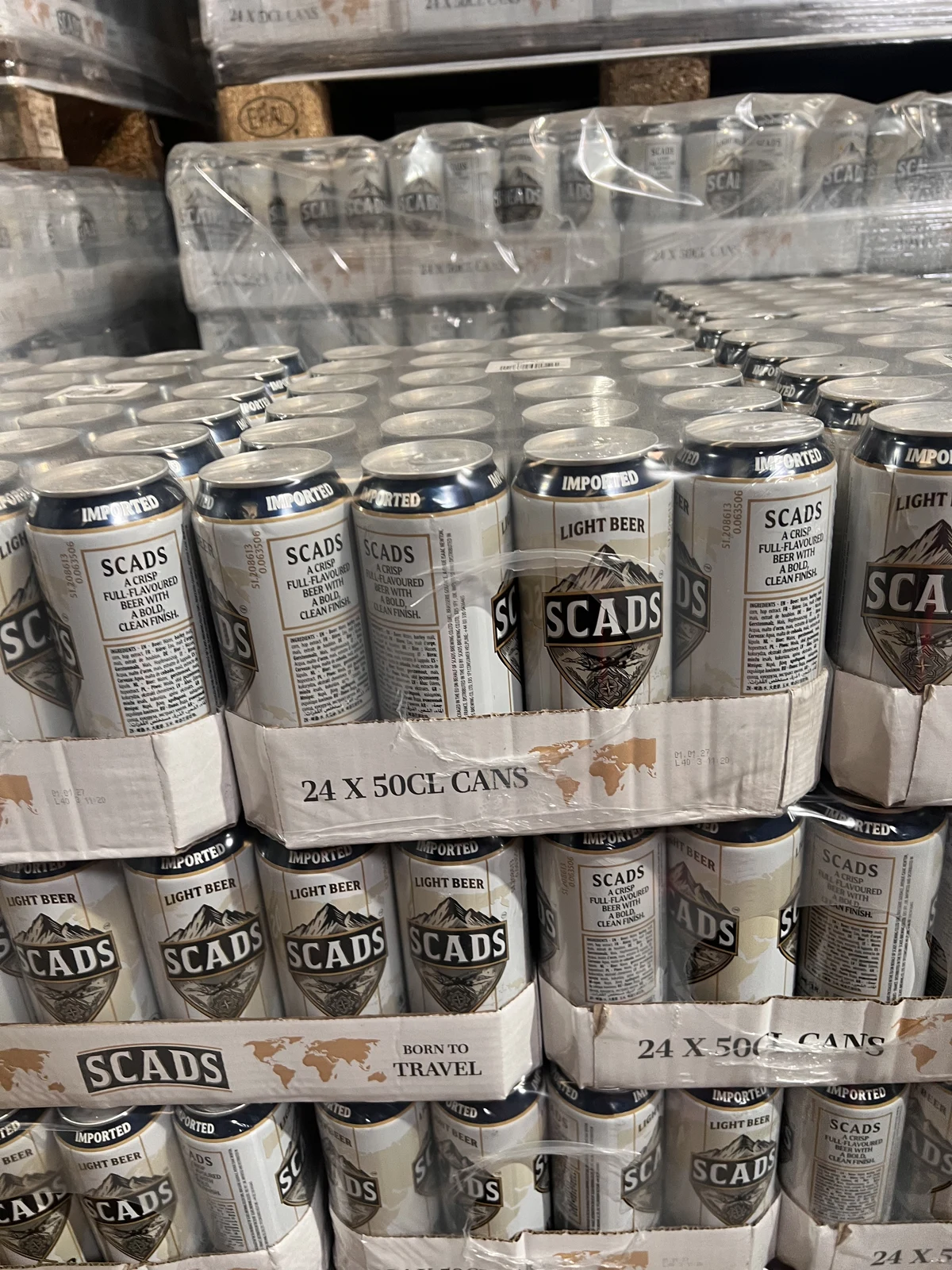


Bottle & can shrink wrapping solutions
Explore individual-bottle shrink wrapping and grouped packs, with separate paths for loose containers, mixed bottle formats and pre-packed cases or trays.
Planning your packaging project
Products and packs. Individual containers and grouped bottles or cans. Container stability and whether the group arrives already formed determine the infeed.
Equipment to consider. View relevant equipment. Review a sleeve wrapper for prepared multipacks. Loose containers may need grouping or a carrier tray before wrapping. Confirm the packing pattern and transfer on the proposed line.
What to send for a quote. Container dimensions and weight, group count and layout, tray or case details, film and required output.
Packaging process
For bottles and cans · Individual shrink packs and multipacks
All routes shown.
Group individual bottles or cans
When individual containers are combined into one multipack, an arranging mechanism forms the required group before film sealing. Define the units per pack and row arrangement around the container shape and stability.
Equipment typeUpstream container feed
Combine different bottle formats
A pack combining different bottle formats also needs an arranging mechanism before sealing. Define the exact combination, relative positions, heights and stability of the bottles within the finished pack.
Equipment typeUpstream feed for the selected bottle combination
Arrange the grouped pack
The arranging mechanism brings loose containers or mixed bottle formats into the required pack arrangement before sealing. Its guides, transfer and grouping actions are configured around the products and combination. An existing arranging stage can be retained when suitable.
Equipment typeContainer arranging and grouping mechanism
Shrink-wrap one bottle
A single bottle can go directly to an L-Bar or high-speed sealer and then through the shrink tunnel. No multipack grouping stage is needed for this route. Product presentation and spacing still need to suit the sealer.
Equipment typeBottle feed to an L-Bar or high-speed sealer
Wrap a pre-packed case or tray
Containers already held as a case or tray pack can enter the film-sealing and shrink section directly. The pack does not pass through the loose-container grouping stage shown here. Review the complete pack dimensions, weight and support during transfer.
Equipment typeExisting case or tray pack feed
Seal film around the selected pack
For grouped packs, discuss L-Bar, sleeve wrapping or high-speed sealing equipment around the required pack appearance, dimensions and output. For one bottle per shrink pack, discuss L-Bar or high-speed sealing. Agree the desired end openings or enclosed finish before selecting the equipment.
Equipment typeL-Bar sealer, sleeve wrapper or high-speed sealer as applicable
Heat-shrink the sealed pack
The sealed individual bottle or grouped pack passes through a shrink tunnel to tighten the film. Evaluate the contents, containers, closures and existing labels together with the film and heat exposure. Assess heat-sensitive products with suitable film and sample trials.
Equipment typeShrink tunnel matched to the pack and film
Cool and transfer the finished pack
Allow the film and pack to cool before the next handling step. Review the film finish and the support needed for stable transfer. Individual packs and multipacks can leave the core packaging section at this point.
Equipment typeCooling and outfeed arrangement
Choose downstream handling
Add pack identification, case erection, case loading, case sealing or pallet handling only where your distribution process needs them. Keep manual or existing stages where suitable. Agree label position and readability, including whether labeling belongs before or after shrinking.
Equipment typeSelected manual, existing or automated handling stages
Plan your packaging line
Choose the finished pack first: one bottle, a grouped pack, or a pre-packed case or tray. Pack appearance, dimensions, stability and required output guide the sealing machine and handling setup.
- Products: bottle or can dimensions, material, closure, filled weight and stability during transfer.
- Pack format: individual pack, units and row arrangement for a group, or the dimensions and condition of a pre-packed case or tray.
- Film and heat: evaluate the contents, container, closure and existing labels together with the film and shrink conditions.
- Line scope: required output, the arranging mechanism for loose or mixed-format groups, and any downstream labeling, case packing or pallet handling.
Packaging examples